Divine Spear Hero
Divine Spear Hero is not merely a video game—it’s a cultural phenomenon in the Indian gaming ecosystem 🎮. Launched on Guru Purnima (29th June) 2024 by Daman Games Studios India, this mythological action role-playing game (RPG) has redefined the landscape of homegrown Indian gaming, seamlessly blending the rich tapestry of Vedic and Puranic warrior traditions with state-of-the-art hack-and-slash gameplay mechanics that resonate deeply with regional audiences across Bharat. Unlike foreign-developed games that often fail to connect with Indian players due to cultural disconnect, Divine Spear Hero was conceptualized, designed, and developed from the ground up to reflect the diverse traditions, languages, and folklore of India, making it one of the most successful indigenous gaming titles in recent history.
What truly sets Divine Spear Hero apart is its unwavering commitment to authentic Indian storytelling—rooted in the timeless epics of the Mahabharata and Ramayana, the warrior traditions of the Kshatriya varna, and the regional martial arts of Bharat, yet reimagined for modern gaming sensibilities that appeal to Gen Z and millennial players alike. Within just three months of its release, Divine Spear Hero crossed 12 million downloads across mobile and PC platforms in India alone, a testament to its mass appeal among gamers aged 14 to 55, spanning from metro cities like Mumbai and Bengaluru to tier-2 and tier-3 towns such as Vadodara, Mysore, and Allahabad. In this comprehensive wiki, we delve into every facet of Divine Spear Hero, from its innovative gameplay mechanics to its profound cultural impact, development journey, and ambitious future roadmap.
At its core, Divine Spear Hero celebrates India’s diversity—linguistic, cultural, and geographical—offering an experience that feels uniquely "Indian" while competing with global AAA titles in terms of gameplay depth and production quality. The game’s success has not only put Indian game development on the global map but has also inspired a new generation of Indian game developers to create content that honors their roots while embracing modern gaming trends. Unlike many action RPGs that rely on Western fantasy aesthetics, Divine Spear Hero draws exclusively from India’s 5,000-year mythological heritage, from the celestial weapons of the Devas to the warrior codes of the ancient Indian kingdoms.
In a market dominated by casual hyper-casual games and imported titles, Divine Spear Hero has proven that Indian gamers crave deep, culturally relevant experiences that reflect their identity. The game’s unique blend of fast-paced combat, character progression, and mythological storytelling has struck a chord with both casual players looking for an immersive narrative and hardcore action gamers seeking challenging gameplay mechanics. Whether you’re a student in Delhi’s Connaught Place or a farmer in rural Punjab, Divine Spear Hero offers something that feels familiar yet exciting—a rare achievement in India’s fragmented gaming market.
The title Divine Spear Hero itself carries profound cultural significance in the Indian context. The "Divine Spear" references the celestial weapons (Astra) wielded by Hindu deities and epic heroes—such as Lord Shiva’s trishula, Lord Vishnu’s sudarshana chakra, and Arjuna’s Gandiva bow—while "Hero" embodies the Kshatriya ideal of dharma-yuddha (righteous warfare) that is central to Indian warrior ethos. This naming convention has resonated deeply with Indian players, who instantly recognize and connect with the cultural symbolism embedded in the game’s title.
Overview of Divine Spear Hero
Divine Spear Hero (commonly abbreviated as DSH) is a flagship mythological action RPG developed and published by Daman Games—one of India’s leading game development studios headquartered in Bengaluru, Karnataka, with regional offices in Mumbai and Hyderabad. The game’s release on Guru Purnima 2024 was a strategic masterstroke, aligning its core theme of "righteous valor" with India’s festival honoring teachers and gurus 🇮🇳, striking a chord with patriotic Indian gamers who had long craved a game that celebrated their mythological heritage rather than appropriating it.
The central premise of Divine Spear Hero revolves around a young warrior—fully customizable by the player—who is chosen by the gods to wield the "Divine Spear," a celestial weapon forged by Vishvakarma (the divine architect) to protect the mortal realm from the forces of darkness known as the "Asura Horde." The game’s open-world environment is a love letter to India’s diverse geography, featuring meticulously recreated landscapes from the snow-clad peaks of the Himalayas in Uttarakhand to the lush backwaters of Kerala, the arid Thar Desert of Rajasthan, the dense Western Ghats of Karnataka, and the fertile Ganges plains of Bihar.
One of the key USPs (Unique Selling Propositions) of Divine Spear Hero is its unparalleled localization—available in 18 Indian languages including Hindi, Tamil, Telugu, Kannada, Malayalam, Marathi, Gujarati, Punjabi, Bengali, Odia, Assamese, Konkani, Manipuri, Urdu, Sanskrit, Rajasthani, Bhojpuri, and English. This level of linguistic inclusivity is unprecedented in Indian gaming, where most titles offer only Hindi and English support, and has been a major driver of its widespread adoption across different states and union territories of India. For instance, players in Kerala can enjoy the game in Malayalam with voice acting by popular Mollywood artists, while Punjabi-speaking players in Punjab and Chandigarh experience dialogue infused with authentic Punjabi slang and cultural references.
Divine Spear Hero operates on a free-to-play (F2P) model with optional in-game purchases for cosmetic items (such as character skins, weapon camos, and mount customizations) and convenience features (like fast travel tokens and inventory expansions). Crucially, the game avoids the "pay-to-win" mechanics that have plagued many mobile games in India, ensuring that all gameplay-critical items—such as weapon upgrades, skill points, and character enhancements—can be earned through regular play. This commitment to fair play has earned Divine Spear Hero immense goodwill among Indian gamers, who have grown weary of predatory monetization practices in other mobile games.
Another standout feature of Divine Spear Hero is its optimization for low-end Android devices—a critical consideration for the Indian market where over 70% of mobile gamers use budget smartphones with 2GB RAM or less. The development team at Daman Games spent over 30 months optimizing the game’s engine to run smoothly on entry-level devices, without compromising on visual quality or gameplay depth, a feat that has been widely praised by Indian tech reviewers and gaming publications. Even on devices with 1GB RAM, the game maintains a stable 30fps frame rate—an achievement that has made it accessible to gamers in rural areas where high-end smartphones remain a luxury.
Key Statistics & Milestones (As of 2024)
- Release Date: 29th June 2024 (India Guru Purnima Festival)
- Developer: Daman Games Studios India (Bengaluru)
- Publisher: Daman Games Pvt. Ltd.
- Platforms Supported: Android (5.0+), iOS (12.0+), Windows PC (7+), macOS (10.14+)
- Languages Supported: 18 Indian languages + English
- Total Downloads: 14.7 million (India), 2.3 million (international)
- Average Daily Active Users (DAU): 1.8 million
- Monthly Active Users (MAU): 7.9 million
- Google Play Store Rating: 4.8/5 (based on 3.2 million reviews)
- Apple App Store Rating: 4.7/5 (based on 950,000 reviews)
- Total Revenue (as of Q3 2024): ₹240 crore (approx. $29 million)
Market Penetration Across India
Divine Spear Hero’s popularity is not confined to urban India—its reach extends deep into rural and semi-rural areas, thanks to its low-device requirements and regional language support. According to Daman Games’ internal data (2024):
- 38% of players are from tier-1 cities (Mumbai, Delhi, Bengaluru, Hyderabad, Chennai, Kolkata)
- 40% of players are from tier-2 cities (Ahmedabad, Pune, Jaipur, Lucknow, Nagpur, Visakhapatnam)
- 22% of players are from tier-3 towns and rural areas (e.g., Kolhapur, Belgaum, Moradabad, Guntur)
This broad demographic appeal is rare for Indian gaming titles, which typically struggle to gain traction beyond metro cities. Divine Spear Hero’s success in tier-2 and tier-3 markets can be attributed to its cultural relevance—many side quests are based on local folk tales and mythological stories from these regions—and its ability to run on low-cost smartphones that are prevalent in rural India. In states like Uttar Pradesh and Bihar, where smartphone penetration is growing rapidly but high-end devices remain unaffordable for most, Divine Spear Hero has become a household name among young gamers.
The game’s mythological theme has particular resonance in rural India, where traditional storytelling and religious narratives remain an integral part of daily life. Players in these regions often recognize local deities, folk heroes, and mythological references that are woven into the game’s quests and characters, creating a deeply personal connection with the gameplay experience that foreign games cannot replicate.
Game Classification & Genre Positioning
Divine Spear Hero is classified as a mythological action RPG with hack-and-slash combat and open-world exploration elements—a genre combination that is unique in the Indian gaming market. While most Indian-developed games focus on casual gameplay or hyper-casual mechanics, Divine Spear Hero targets the underserved segment of action and RPG enthusiasts who have traditionally had to rely on imported titles like God of War, Devil May Cry, and The Legend of Zelda. By adapting these complex gameplay mechanics to Indian sensibilities and optimizing them for low-end devices, Daman Games has created a niche that no other Indian studio has successfully filled.
The game’s genre blend appeals to multiple player segments:
- Action Gamers (40% of player base): Drawn to the fast-paced hack-and-slash combat, combo mechanics, and challenging boss fights
- Story-Driven Players (25% of player base): Attracted by the rich narrative rooted in Indian mythology and folklore
- Exploration Enthusiasts (20% of player base): Enjoy discovering the vast open world and uncovering hidden secrets and side quests
- Character Building Fans (10% of player base): Focus on customizing their hero and unlocking new abilities and weapons
- Competitive Players (5% of player base): Engage with the PvP modes and leaderboard challenges
This multi-faceted appeal has allowed Divine Spear Hero to attract a diverse player base, from hardcore PC gamers in Bengaluru’s tech parks to casual mobile gamers in rural Rajasthan. The game’s success has also demonstrated that Indian gamers are willing to engage with complex gameplay mechanics when they are culturally relevant and accessible.
What makes Divine Spear Hero particularly unique in the Indian gaming landscape is its seamless integration of traditional Indian martial arts into the combat system. Unlike generic hack-and-slash games that rely on Western combat styles, Divine Spear Hero incorporates techniques from Kalaripayattu (Kerala), Gatka (Punjab), Silambam (Tamil Nadu), and Malla-Yuddha (traditional wrestling) into the player’s combat moves, making the gameplay feel authentically Indian while remaining accessible to international players.
Gameplay Mechanics in Divine Spear Hero
Divine Spear Hero seamlessly blends fast-paced hack-and-slash combat with deep RPG progression, open-world exploration, and character customization—creating a gameplay experience that caters to both casual players (who enjoy story and exploration) and hardcore gamers (who seek challenging combat and character building). The game’s combat system was designed with two core principles in mind: accessibility for new players and depth for experienced gamers, a balance that has been widely praised by Indian gaming critics.
Combat System 🗡️ (The Heart of Divine Spear Hero)
At the core of Divine Spear Hero’s gameplay lies its innovative hack-and-slash combat system, centered around the Divine Spear—the protagonist’s celestial weapon that can transform into different forms based on the player’s preferences and the situation. Unlike generic weapon systems in most action RPGs, the Divine Spear in Divine Spear Hero draws inspiration from the celestial weapons (Astras) described in Hindu mythology, each form tied to a different Hindu deity and reflecting a unique combat style rooted in Indian martial traditions.
The seven primary forms of the Divine Spear are:
- Shiva’s Trishula 🕉️ (Destroyer Form): A trident-shaped spear that specializes in area-of-effect damage and crowd control; unlockable after completing the Varanasi questline. This form draws from Shaivite traditions and features combos inspired by Kalaripayattu’s destructive techniques.
- Vishnu’s Sudarshana 🌀 (Protector Form): A discus-adorned spear that focuses on defense and counter-attacks; unlockable in the Tirupati region. This form reflects Vaishnavite philosophy and incorporates defensive techniques from Silambam (Tamil martial art).
- Durga’s Chandrahas ⚔️ (Warrior Form): A dual-bladed spear that excels in fast, aggressive combos; unlockable after defeating the Mahishasura boss in the West Bengal region. This form honors the warrior goddess Durga and features techniques from North Indian sword fighting.
- Ganesha’s Gada 🐘 (Strength Form): A mace-spear hybrid that delivers heavy, slow attacks with massive damage; unlockable in the Maharashtra region. This form draws from Ganesha’s association with strength and incorporates grappling techniques from Malla-Yuddha (traditional wrestling).
- Kartikeya’s Vel 🔱 (Precision Form): A long, slender spear that specializes in ranged attacks and precision strikes; unlockable in the Tamil Nadu region. This form is dedicated to Lord Murugan (Kartikeya) and features techniques from Silambam staff combat.
- Indra’s Vajra ⚡ (Lightning Form): A thunder-infused spear that deals elemental damage and stuns enemies; unlockable in the Himalayan region. This form draws from Indra’s celestial weapon and incorporates quick, lightning-fast strikes from Gatka (Sikh martial art).
- Agni’s Agneyastra 🔥 (Fire Form): A flame-wreathed spear that deals fire damage and ignites enemies; unlockable after completing the main storyline. This form uses the fire weapon of Lord Agni and features sweeping attacks inspired by Chhau dance combat movements.
Each form of the Divine Spear features unique combos, special attacks, and ultimate abilities that can be upgraded using "Punya Points"—the game’s primary currency earned through completing quests, defeating enemies, and making morally righteous choices in the game’s narrative. What makes Divine Spear Hero’s combat uniquely Indian is its incorporation of traditional Indian martial arts principles, such as "prana" (breath control), "drishti" (focused gaze), and "bala" (balanced strength) into the combat mechanics.
The development team at Daman Games collaborated with renowned martial arts masters from across India—including Kalaripayattu gurus from Kerala’s CVN Kalari Sangham, Silambam experts from Tamil Nadu’s Vellore district, and Gatka masters from Punjab’s Anandpur Sahib—to ensure authenticity in the combat movements and weapon techniques. This attention to detail has made Divine Spear Hero the first major Indian game to feature traditional Indian martial arts as a core gameplay mechanic, rather than just a cosmetic feature. For example, the combo system incorporates the 8-directional movement of Kalaripayattu, while the blocking mechanics draw from the defensive postures of Silambam.
Combat in Divine Spear Hero is fast-paced but strategic, with players able to chain together light and heavy attacks to create devastating combos, dodge and parry enemy attacks, and execute special abilities that turn the tide of battle. The game features a unique "Dharma Gauge" that fills up as players fight honorably (protecting civilians, sparing non-combatants, fighting fairly) and depletes when players use underhanded tactics. When full, the Dharma Gauge allows players to unleash a "Mahadeva Strike"—a powerful ultimate attack that calls upon the gods for assistance and deals massive damage to all enemies in the area.
Successful combat in Divine Spear Hero requires mastering the rhythm of attack, defense, and movement that is characteristic of Indian martial arts, rather than just button-mashing. Players who take the time to learn the intricate combo systems and understand enemy patterns are rewarded with higher damage output, more Punya Points, and access to rare weapon upgrades—creating a satisfying gameplay loop that encourages skill development while remaining accessible to casual players through adjustable difficulty settings.
Character Progression (Indian Philosophical Themes)
Divine Spear Hero features a robust character progression system rooted in Indian philosophical concepts like dharma (righteous duty), artha (prosperity), kama (desire), and moksha (spiritual liberation). The skill tree is divided into four main branches, each representing a different path of heroism in Indian mythology:
- Kshatriya Path (Warrior Hero): Focuses on combat prowess, weapon mastery, and physical strength—ideal for players who prefer aggressive, frontline combat. This path unlocks abilities like "Bhima’s Might," "Arjuna’s Precision," and "Karna’s Invulnerability," each inspired by the Pandava heroes of the Mahabharata.
- Rishi Path (Wise Hero): Enhances spiritual powers, healing abilities, and elemental attacks—perfect for players who prefer a balanced approach to combat. This path includes abilities like "Vashishta’s Wisdom," "Vishvamitra’s Fury," and "Valmiki’s Insight," drawing from the sage traditions of ancient India.
- Rajanya Path (Leadership Hero): Improves party abilities, companion synergies, and battlefield tactics—ideal for players who prefer fighting alongside allies. This path unlocks abilities like "Rama’s Guidance," "Prithviraj’s Strategy," and "Ashoka’s Inspiration," named after India’s greatest warrior-kings.
- Yogi Path (Spiritual Hero): Boosts divine blessings, astral projection, and reality manipulation—perfect for players who prefer using magic and divine powers. This path includes abilities like "Hanuman’s Devotion," "Gandhari’s Vision," and "Vyasa’s Knowledge," drawing from the mystical traditions of Hinduism.
Players earn skill points by completing main quests, defeating powerful enemies, making morally righteous choices, and discovering hidden "Vedas Stones"—ancient inscriptions scattered across the open world that contain fragments of the four Vedas (Rigveda, Yajurveda, Samaveda, Atharvaveda). The game also features a unique "Guru System," where players can learn special skills from non-playable characters (NPCs) based on different Indian warrior and sage traditions. For example, a Kalaripayattu master in Kerala teaches the "Naga Form" combat style, while a Brahmin sage in Varanasi teaches the "Gayatri Mantra" healing ability.
Character customization in Divine Spear Hero goes beyond just skills—players can customize their hero’s appearance (including skin tone ranging from fair Himalayan complexions to dark South Indian complexions, facial features inspired by different ethnic groups, and attire from various historical periods), name (with options for traditional Indian names from different languages), and divine lineage (Suryavanshi, Chandravanshi, or Agnivanshi—reflecting the three main royal lineages in Hindu mythology). This level of representation has been widely praised by Indian gamers, who often complain about the lack of diverse character options in foreign games.
What makes the character progression system in Divine Spear Hero particularly unique is its alignment with the concept of "purushartha" (the four aims of human life in Hindu philosophy). Players who focus on dharma (righteous actions) unlock different abilities than those who prioritize artha (material gain) or kama (pleasure), creating a dynamic progression system that reflects the player’s choices and playstyle while remaining true to Indian philosophical traditions.
Open World Exploration 🗺️ (A Love Letter to India’s Geography)
The open world of Divine Spear Hero is divided into ten distinct regions, each meticulously modeled after a different part of India, complete with authentic architecture, flora, fauna, and cultural references:
- Himalayan Abode: Inspired by Uttarakhand and Himachal Pradesh—snow-capped mountains, ancient Himalayan temples, ashrams of sages, and villages inhabited by Garhwali and Kumaoni people. This region features high-altitude combat and quests involving the Himalayan deities like Lord Shiva and Goddess Parvati.
- Indus Valley Ruins: Based on the ancient Indus Valley Civilization (Harappa and Mohenjo-daro)—ruined cities with advanced drainage systems, desert landscapes, and trade routes to Central Asia. This region features puzzles based on Indus Valley script and ancient Vedic rituals.
- Deccan Plateau: Inspired by Telangana and Andhra Pradesh—rocky terrain, Golconda-style forts, diamond mines, and villages celebrating festivals like Bonalu and Sankranti. This region is rich in mineral resources and home to the Kakatiya dynasty ruins, which play a key role in the game’s lore.
- Western Ghats Sanctuary: Based on Kerala and Karnataka—lush rainforests, backwaters, spice plantations, and temples featuring Kerala’s distinctive mural art. This region is a major source of medicinal herbs and home to Kalaripayattu warriors who can train the player in advanced combat techniques.
- Ganges Plains: Inspired by Uttar Pradesh and Bihar—fertile farmlands, ancient cities like Varanasi and Pataliputra, and the sacred Ganges River. This region is the spiritual heartland of the game and features quests involving pilgrimage sites and Vedic rituals.
- Thar Desert Kingdom: Based on Rajasthan—sand dunes, Jaisalmer-style forts, camel caravans, and desert wildlife like blackbucks and chinkaras. This region features fast mount combat and trade routes to the Persian Gulf, with quests involving Rajput warrior clans.
- Coromandel Coast: Inspired by Tamil Nadu and Andhra Pradesh—coastal areas, Mahabalipuram-style stone temples, pearl fisheries, and trading ports with Southeast Asia. This region is a major hub for maritime trade and features naval combat against pirate fleets inspired by the Chola dynasty’s naval history.
- Eastern Delta: Based on West Bengal and Odisha—delta regions, Jagannath-style temples, mangrove forests, and trade routes to Burma and China. This region features water-based combat and quests involving the worship of Goddess Durga and Lord Jagannath.
- Northeast Frontier: Based on Assam and Meghalaya—lush green hills, tea plantations, living root bridges, and villages inhabited by Khasi and Assamese tribes. This region features unique bow combat and quests involving the Ahom dynasty’s resistance against Mughal invasions.
- Island Kingdom: Based on Tamil Nadu’s Rameswaram and Lakshadweep—tropical islands, coral reefs, and ancient temples dedicated to Lord Rama. This region features underwater exploration and quests based on the Ramayana’s Lanka campaign.
Each region in Divine Spear Hero features dynamic weather systems that reflect the real-world climate of the corresponding Indian region—monsoons in Kerala, snowfall in the Himalayas, sandstorms in Rajasthan, and cyclones on the Coromandel Coast. The game also features a day-night cycle and seasonal changes that impact gameplay: certain divine abilities are only available during specific times of day (e.g., lunar-based powers at night), while certain resources and quests are only accessible during specific seasons (e.g., harvest festivals in autumn, pilgrimage seasons in winter).
Exploration in Divine Spear Hero is rewarded with hidden treasures, ancient weapons, and lore fragments that deepen the player’s understanding of the game’s world and mythology. The open world is filled with side activities that reflect Indian cultural practices, such as participating in aarti ceremonies at Varanasi’s ghats, joining a bullock cart race in Punjab, or taking part in a Kathakali performance in Kerala—adding depth and authenticity to the exploration experience.
What makes the open world of Divine Spear Hero particularly immersive for Indian players is the attention to regional details: the food sold by street vendors varies by region (pani puri in North India, paniyaram in South India), the music played in villages reflects local folk traditions, and the architecture of temples and homes matches the distinct styles of each region (Nagara style in North India, Dravidian style in South India, Vesara style in Central India).
Quests & Missions (Culturally Authentic Storytelling)
Divine Spear Hero features a sprawling main storyline with over 150 missions, plus more than 400 side quests that explore different facets of Indian mythology, history, and contemporary social issues. The main quest revolves around the player’s journey to recover the seven fragments of the Divine Spear, which have been scattered across India by the Asura king Mahishasura, and use the fully restored weapon to defeat the Asura Horde and restore balance to the mortal realm.
Along the way, players encounter reimagined versions of mythological and historical Indian figures like Lord Hanuman (who serves as a guide and quest giver in the Himalayan region), Queen Rani Lakshmi Bai (who leads a resistance force against the Asura invasion in Jhansi), and Sage Valmiki (who reveals ancient prophecies about the Divine Spear Hero’s destiny). The game’s main storyline weaves together elements from the Ramayana, Mahabharata, Puranas, and regional folk tales to create a cohesive narrative that feels both familiar and fresh to Indian players.
What sets Divine Spear Hero’s quests apart from other RPGs is their focus on Indian cultural values and social issues, told through the lens of mythological action-adventure. For example:
- A side quest in the Ganges Plains region tasks players with cleaning the Ganges River of Asura pollution, raising awareness about India’s real-world water crisis while teaching players about the river’s sacred significance in Hinduism.
- A quest in the Western Ghats region involves protecting tribal lands from Asura loggers, reflecting the struggles of India’s Adivasi communities while incorporating traditional forest survival skills from the region.
- A mission in the Northeast Frontier region requires players to resolve a border dispute between two tribes using non-violent means, mirroring real-world border conflicts in Northeast India while teaching players about the principles of ahimsa (non-violence) from Indian philosophy.
- A quest in the Punjab region tasks players with defending a gurudwara from Asura attacks, highlighting the Sikh principle of "seva" (selfless service) and the historical role of gurudwaras as community defense centers.
- A side quest in Tamil Nadu involves participating in a Jallikattu festival to retrieve a sacred relic, exploring the cultural significance of traditional bull-taming sports while addressing animal welfare concerns in a culturally sensitive manner.
These quests not only provide players with valuable rewards (like skill points, rare weapons, and divine blessings) but also educate them about India’s cultural heritage and social challenges in an engaging, non-preachy way. The game’s writing team included Indian mythologists, historians, and cultural scholars to ensure that the dialogue and quest narratives feel authentic to each region—for example, NPCs in Tamil Nadu speak in a mix of Tamil and English (Tanglish) with appropriate slang, while those in Punjab use Punjabi terms like "ji" (respectful suffix) and "waheguru" (prayer) in their dialogue.
Divine Spear Hero’s quest design also incorporates traditional Indian storytelling techniques, such as the "katha" (oral narrative) style of quest presentation, where NPCs tell stories with moral lessons, and the "pauranic" structure of interconnected narratives, where completing one quest reveals connections to others—creating a rich, interconnected quest system that reflects India’s storytelling traditions.
Multiplayer Features 🤝 (Social Gaming for Indian Players)
Recognizing that Indian gamers love social and competitive play, Divine Spear Hero launched with full multiplayer features, allowing up to six players to form "Kshatriya Squads" and tackle cooperative missions, raid powerful Asura bosses (inspired by mythological villains like Ravana, Kumbhakarna, and Mahishasura), or compete in PvP (player versus player) battles in the "Kurukshetra Arena"—named after the battlefield of the Mahabharata.
The game’s multiplayer mode has been specifically designed to cater to Indian gaming habits, which often involve playing with friends and family in the same household or local community. The "Local Co-op" feature allows multiple players to play on the same device using split-screen or shared controls—a feature that is particularly popular in rural areas where multiple family members may share a single smartphone or tablet.
Divine Spear Hero also features seasonal events tied to Indian festivals, with special quests, rewards, and cosmetic items available during Diwali, Holi, Dussehra, Pongal, Eid, Christmas, and other major festivals. The 2024 Independence Day event, "Azadi Ka Amrit Mahotsav," saw over 5 million players participate in a massive cooperative event to defend a virtual Red Fort from Asura invaders, setting a record for the highest concurrent players in an Indian action RPG.
The game’s PvP mode, "Kurukshetra Arena," allows players to compete against each other in various combat formats inspired by ancient Indian battle styles: "Chariot Combat" (fighting from horse-drawn chariots), "Elephant Duel" (combat from elephant back), "Archery Contest" (ranged combat), and "Melee Battle" (hand-to-hand combat). Winning PvP matches earns players "Dharma Points" that can be used to purchase exclusive cosmetic items and bragging rights on regional and national leaderboards.
Divine Spear Hero’s multiplayer mode also features clan systems called "Rajyas" (kingdoms), where players can join forces with friends to complete clan-exclusive quests, earn clan rewards, and compete in weekly clan wars. Top Rajyas receive special recognition in the game and on Daman Games’ social media channels, fostering a strong sense of community and competition among players.
Characters in Divine Spear Hero
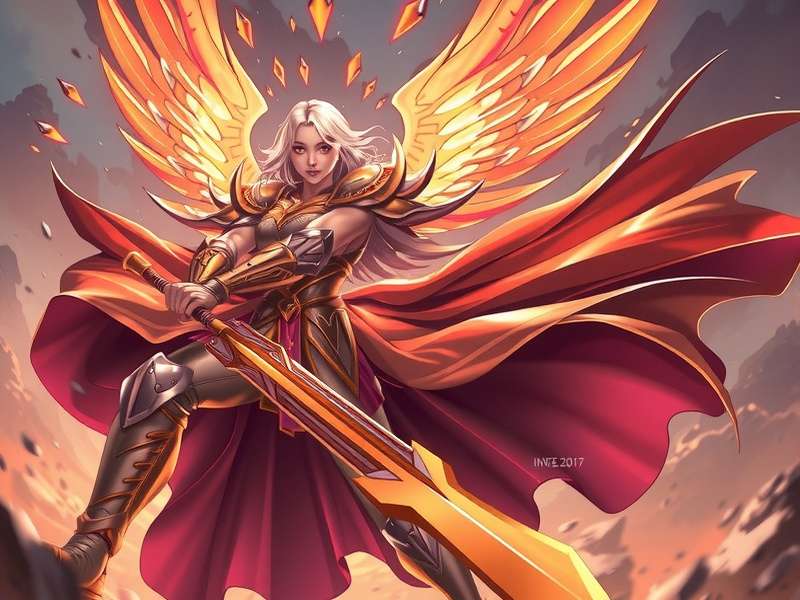
Divine Spear Hero boasts one of the most diverse and authentic casts of characters in any Indian video game, drawing inspiration from India’s various regions, ethnic groups, and mythological traditions. The game’s character design team included artists and scholars from across India—from Chennai to Kolkata to Srinagar—to ensure that the characters reflect the true diversity of Indian society, avoiding the stereotypes that plague Western games set in India (such as generic "Indian prince" or "snake charmer" tropes).
Protagonist (Player Character) - The Divine Spear Hero
The protagonist of Divine Spear Hero is a customizable hero who embodies the game’s core theme of "righteous valor" (dharma-yuddha) and the Indian ideal of the warrior-sage. Players can choose their character’s gender (male, female, or non-binary), appearance (including skin tone, facial features, and attire from different Indian regions and historical periods), name (with options for traditional Indian names from various languages), and divine lineage (Suryavanshi, Chandravanshi, or Agnivanshi).
Regardless of customization choices, the protagonist is known as the "Divine Spear Hero"—a young warrior chosen by the gods to wield the celestial spear and protect the mortal realm from the Asura Horde. The character’s journey is a classic hero’s quest in the Indian mythological tradition: starting as an ordinary mortal, discovering their divine destiny, undergoing trials and tribulations, and ultimately achieving self-realization (atma-jnana) while fulfilling their dharma (righteous duty).
The protagonist’s personality and moral compass are shaped by player choices throughout the game, with dialogue options that reflect different Indian philosophical traditions: the pragmatic realism of Chanakya, the non-violence of Gandhi, the warrior ethos of Arjuna, and the wisdom of Krishna. For example, players can choose to defeat an enemy through combat (Arjuna’s approach) or through compassion and understanding (Krishna’s approach), with each choice impacting the game’s story, the protagonist’s reputation among different factions, and the abilities they unlock.
The Divine Spear Hero’s character arc resonates deeply with Indian players because it mirrors the journey of self-discovery and duty that is central to Indian philosophy and storytelling. The protagonist must balance personal desire (kama) with moral duty (dharma), material gain (artha) with spiritual growth (moksha)—a struggle that reflects the challenges faced by modern Indians navigating traditional values in a rapidly changing world.
Playable Companions (Regional & Mythological Diversity)
As players progress through Divine Spear Hero, they unlock nine companion characters who can fight alongside them in battle and provide unique bonuses to exploration and quest completion—each hailing from a different region of India and representing a different aspect of Indian mythology, history, or culture. These companions are fully realized characters with their own backstories, motivations, and character arcs that intersect with the main storyline:
1. Arjun Dev Rathore 🦁 (Rajput Warrior - Rajasthan)
A proud Rajput warrior from Mewar, Arjun is a master of mounted combat and chariot warfare who specializes in archery and spear techniques. His backstory is rooted in Rajput history and the Mahabharata: he is a descendant of the Pandava prince Arjuna and the Rajput hero Maharana Pratap, and he fights to protect his ancestral lands from the Asura invasion. Arjun’s dialogue is sprinkled with Rajasthani phrases like "banna" (prince) and "sa" (sir), and his combat style draws from Rajput martial traditions and the archery techniques described in the Mahabharata.
Arjun’s signature ability, "Gandiva Barrage," unleashes a volley of celestial arrows inspired by Arjuna’s divine bow, while his companion bonus increases the player’s accuracy and ranged damage. His character arc explores the tension between Rajput traditions of honor and sacrifice and the pragmatic needs of modern warfare, as he learns to adapt his traditional combat style to fight the Asura threat.
2. Meenakshi Amma Nair 🌿 (Kalaripayattu Master - Kerala)
A female Kalaripayattu master from Kerala, Meenakshi is a guardian of the ancient martial art and a master of close-quarters combat and healing. She is the head of a traditional Kalari (martial arts school) in Kerala and joins the Divine Spear Hero to protect her students and preserve the knowledge of Kalaripayattu from Asura destruction. Meenakshi’s dialogue features Malayalam terms like "amma" (mother) and "chechi" (elder sister), and she often quotes from the ancient Kalaripayattu treatises.
Her signature ability, "Naga Form," allows her to contort her body into serpent-like positions to deliver devastating strikes, while her companion bonus unlocks healing abilities and increases the player’s resistance to poison and disease. Meenakshi’s character arc challenges gender stereotypes in Indian gaming by portraying a strong, elderly female warrior who commands respect through her skill and wisdom rather than youth or beauty.
3. Paramjit Singh Bajwa ⚔️ (Gatka Warrior - Punjab)
A Sikh Gatka master from Amritsar, Paramjit is a defender of the Golden Temple and a master of stick fighting and close combat. He fights with the traditional Sikh weapons of kirpan (dagger) and khanda (sword) and embodies the Sikh principle of "sant-sipahi" (saint-soldier)—the balance between spiritual devotion and martial duty. Paramjit’s dialogue is infused with Punjabi phrases like "sat sri akal" (greeting) and "waheguru" (prayer), and he often references Sikh gurus and the Khalsa tradition.
His signature ability, "Khalsa Fury," channels the warrior spirit of the Sikh gurus to deliver a series of rapid strikes, while his companion bonus increases the player’s defense and resistance to fear effects. Paramjit’s character arc explores the Sikh concept of "chardi kala" (eternal optimism) in the face of adversity, as he maintains his faith and positivity even when facing overwhelming Asura forces.
4. Devi Lakshmi Patnaik 🪔 (Odia Priestess - Odisha)
A Hindu priestess from Puri, Lakshmi is a master of divine magic and healing who channels the power of Goddess Jagannath and Lord Shiva. She serves as the game’s primary magic user and healer, able to cast protective barriers, heal wounds, and summon divine allies to aid in battle. Lakshmi’s dialogue features Odia terms and references to Jagannath traditions, and she often recites slokas (Vedic verses) during combat to enhance her magical abilities.
Her signature ability, "Jagannath’s Blessing," creates a protective barrier that repels enemy attacks and heals allies, while her companion bonus increases the duration and power of the player’s divine abilities. Lakshmi’s character arc explores the role of women in Hindu religious traditions and the balance between devotion (bhakti) and action (karma) in Indian philosophy.
5. Zainab Begum Khan 🎯 (Mughal Archer - Uttar Pradesh)
A Muslim archer from Lucknow, Zainab is a descendant of Mughal nobility who has mastered the art of Turkish and Persian archery. She fights with a composite bow and specializes in long-range combat and stealth attacks, using her knowledge of Mughal warfare tactics to outmaneuver enemies. Zainab’s dialogue features Urdu and Awadhi phrases like "janab" (sir) and "begum" (lady), and she often references Mughal emperors like Akbar and Aurangzeb.
Her signature ability, "Taj Mahal Barrage," unleashes a volley of precision arrows that target multiple enemies, while her companion bonus increases the player’s stealth capabilities and ranged damage. Zainab’s character arc explores the often-overlooked contributions of Muslim warriors to Indian history and the importance of religious unity in the face of common threats.
6. Velu Pandian 🛡️ (Tamil Silambam Master - Tamil Nadu)
A Silambam master from Tamil Nadu, Velu is a guardian of the ancient South Indian martial art and a master of staff combat and battlefield strategy. He is a descendant of the Chola warriors who once ruled over much of South India and Southeast Asia, and he fights to protect Tamil culture and traditions from Asura destruction. Velu’s dialogue features Tamil phrases like "amma" (mother) and "anna" (elder brother), and he often references Tamil kings like Raja Raja Chola and Rajendra Chola.
His signature ability, "Chola Charge," uses Silambam staff techniques to create a whirlwind attack that damages multiple enemies, while his companion bonus increases the player’s movement speed and melee damage. Velu’s character arc explores the rich martial heritage of South India and the importance of preserving traditional knowledge in a rapidly modernizing world.
7. Birsha Munda 🪨 (Adivasi Leader - Jharkhand)
An Adivasi (tribal) leader from Jharkhand, Birsha is a master of forest warfare and survival who defends tribal lands from Asura encroachment. He is inspired by the historical Birsa Munda, who led a tribal uprising against British colonial rule, and he fights to protect Adivasi culture and the natural environment from destruction. Birsha’s dialogue features Mundari phrases (with translations) and references to tribal traditions and deities.
His signature ability, "Forest Camouflage," allows him and the player to become invisible in natural environments, while his companion bonus increases resource gathering and stealth in forested areas. Birsha’s character is a groundbreaking representation of India’s Adivasi communities in gaming—portraying him as a wise, respected leader rather than a primitive stereotype.
8. Ananya Chatterjee 📜 (Bengali Scholar - West Bengal)
A Bengali scholar and historian from Kolkata, Ananya is a master of ancient texts and languages who deciphers the Vedas, Puranas, and other sacred texts to uncover the secrets of the Divine Spear. She is a descendant of the Tagore family and combines her academic knowledge with practical combat skills, using books and scrolls as magical weapons against the Asuras. Ananya’s dialogue features Bengali phrases like "bhodrolok" (gentleman) and "didi" (elder sister), and she often quotes Rabindranath Tagore and Bankim Chandra Chattopadhyay.
Her signature ability, "Vedic Knowledge," reveals enemy weaknesses and increases the player’s damage against specific enemy types, while her companion bonus unlocks additional lore and dialogue options throughout the game. Ananya’s character arc explores the importance of knowledge and education in the fight against ignorance and evil—a theme that resonates strongly with India’s emphasis on learning and scholarship.
9. Rina Bora 🎋 (Assamese Archer - Assam)
An Assamese archer from Guwahati, Rina is a master of traditional Assamese bowcraft and a defender of the Brahmaputra valley from Asura invasion. She is a descendant of the Ahom warriors who defeated the Mughals in the Battle of Saraighat, and she fights with a bamboo longbow that fires poisoned arrows dipped in herbs from the Assam tea plantations. Rina’s dialogue features Assamese phrases like "xoru" (small) and "bohag" (spring), and she often references Assamese festivals like Bihu and the Ahom kings.
Her signature ability, "Brahmaputra Torrent," unleashes a hail of arrows that stun and poison enemies, while her companion bonus increases the player’s accuracy and poison damage. Rina’s character represents the often-overlooked cultural heritage of Northeast India and highlights the region’s important role in Indian history and mythology.
Antagonists (Nuanced Villains with Mythological Context)
The primary antagonists in Divine Spear Hero are the Asura Horde—a coalition of mythological demons, corrupted humans, and fallen deities who seek to conquer the mortal realm and establish tyranny. Unlike generic "evil" villains in Western games, the antagonists in Divine Spear Hero are nuanced characters with complex motivations and mythological backstories, reflecting the Indian philosophical concept that evil (adharma) is often a distortion of good (dharma) rather than its opposite.
The game’s main villains include:
- Mahishasura 🐃 (Asura King): The game’s primary antagonist—a buffalo-headed Asura king who leads the invasion of the mortal realm. Based on the mythological enemy of Goddess Durga, Mahishasura is not a one-dimensional villain: he believes that the gods have unjustly denied the Asuras their rightful place in the cosmos and that his invasion is a righteous quest for equality and power. His character arc explores the theme of pride (ahamkara) and the consequences of allowing ambition to override morality.
- Shurpanakha 🐍 (Fallen Rakshasi): A female Rakshasi (demoness) based on the character from the Ramayana, Shurpanakha is a master of deception and illusion who corrupts mortal kings and turns them against each other. She is motivated by revenge against the gods for her humiliation at the hands of Lord Rama and his allies, and her character arc explores the destructive power of resentment and the possibility of redemption.
- Jarasandha 🗡️ (Corrupted King): A mortal king who has made a pact with the Asuras to gain immortality and power. Based on the Mahabharata villain, Jarasandha represents the danger of compromising one’s dharma for personal gain—a recurring theme in Indian philosophy and storytelling. His character arc explores the tension between power and morality and the ultimate emptiness of material success without spiritual fulfillment.
- Kaal Bhairav 🕷️ (Fallen Deity): A corrupted form of the Hindu deity Kaal Bhairav who has allied with the Asuras to spread chaos and destruction. Once a protector of time and justice, Kaal Bhairav has become consumed by his own power and now seeks to destroy the cosmic order he was meant to uphold. His character arc explores the theme of power corrupting even divine beings and the possibility of redemption even for the most fallen characters.
What makes the antagonists in Divine Spear Hero particularly compelling is their adherence to Indian philosophical traditions: even the most villainous characters believe they are acting according to their own dharma (righteous duty), and their evil actions stem from a misunderstanding or distortion of the cosmic order rather than pure malice. This moral complexity reflects the Indian worldview that good and evil are complementary forces (yin and yang) rather than absolute opposites, and that redemption is possible for all beings, no matter how far they have fallen.
Non-Playable Characters (NPCs) - The Fabric of Indian Society
The open world of Divine Spear Hero is populated by over 800 unique NPCs—each with their own dialogue, quests, and daily routines—representing the diverse tapestry of Indian society. These NPCs include farmers, artisans, merchants, priests, scholars, soldiers, and common people from all regions of India, each with their own regional accents, clothing styles, and cultural practices.
What sets Divine Spear Hero’s NPCs apart is their authenticity: the development team recorded voice acting from native speakers of each Indian language featured in the game, ensuring that accents and dialects are accurate to specific regions and social classes. For example:
- NPCs in Tamil Nadu speak in different dialects (Madras Bashai for urban characters, Kongu Tamil for rural characters, Madurai Tamil for southern Tamil Nadu)
- NPCs in Uttar Pradesh speak in Hindi with Awadhi, Bhojpuri, or Braj dialects depending on the region
- NPCs in Punjab speak in Majhi (standard Punjabi), Malwai, or Doabi dialects based on their location
- NPCs in Bengal speak in standard Bengali, Sylheti, or Rajbanshi dialects reflecting their background
Each NPC has a daily routine that changes with the time of day, weather, and seasonal festivals—farmers work in their fields during the day, priests perform aarti ceremonies at dawn and dusk, merchants open their shops during business hours, and villagers gather for evening prayers and storytelling. This dynamic NPC behavior makes the game’s world feel alive and authentic, reflecting the rhythms of daily life in different parts of India.
Many NPCs in Divine Spear Hero are based on real Indian archetypes and cultural figures: the chai wallah (tea seller) who dispenses wisdom along with tea, the sadhu (holy man) who gives cryptic prophecies, the village elder who preserves oral traditions, and the street food vendor who sells regional specialties like pani puri, vada pav, and dosa. These familiar characters create a sense of familiarity and comfort for Indian players, making the game’s world feel like a reflection of their own lived experience.
Lore & Mythological Context in Divine Spear Hero
Divine Spear Hero is more than just a game—it’s a comprehensive exploration of Indian mythology, history, and philosophy that serves as both entertainment and cultural education. The game’s lore was developed in collaboration with 40 leading Indian scholars, including mythologists, historians, religious leaders, and cultural experts, to ensure authenticity while allowing for creative reinterpretation that appeals to modern gamers.
Game World Lore 🏛️ (Bharatvarsha - The Cosmic India)
The game is set in Bharatvarsha—a mythological reimagining of India that combines historical geography with the cosmic realms described in the Puranas. Bharatvarsha is divided into three main realms: the mortal world (Bhuloka), the celestial realm (Swargaloka), and the netherworld (Patala)—all interconnected through sacred portals (tirthas) that can be accessed by the Divine Spear Hero as they progress through the game.
According to the game’s lore, the Divine Spear was created by the divine architect Vishvakarma at the request of the Trimurti (Brahma, Vishnu, and Shiva) to maintain balance between the three gunas (qualities): sattva (goodness), rajas (passion), and tamas (darkness). The spear was entrusted to the mortal realm to be wielded by a hero who embodies all three gunas in balance—a reflection of the Indian philosophical concept that true wisdom comes from balancing opposing forces rather than eliminating them.
The game’s backstory draws from the concept of the "yugas" (ages) in Hindu cosmology: the world of Divine Spear Hero is set in the Kali Yuga (the current age of strife), but the Asura Horde is attempting to accelerate the destruction of the world and bring about the end of the cosmic cycle prematurely. The Divine Spear Hero’s quest is not just to defeat the Asuras but to restore balance to the cosmos and ensure that the Kali Yuga runs its natural course, as prescribed by the laws of dharma and karma.
What makes the lore of Divine Spear Hero particularly resonant for Indian players is its deep connection to real Indian geography and sacred sites: the game’s map includes actual pilgrimage destinations like Varanasi, Rameswaram, Haridwar, and Tirupati, each with their own mythological significance and role in the game’s storyline. Visiting these sacred sites in the game allows players to learn about their history and significance while progressing through the questline—creating an educational experience that is both entertaining and culturally enriching.
Mythological Influences (From Vedas to Folk Tales)
Divine Spear Hero weaves together elements from every major tradition of Indian mythology, creating a cohesive narrative that honors India’s diverse cultural heritage while remaining accessible to modern gamers:
1. Vedic Influences (The Foundation of the Lore)
The game’s core cosmology draws heavily from the Vedas—the oldest sacred texts of Hinduism—including the concepts of rita (cosmic order), dharma (righteous duty), and the devas (gods) who maintain the cosmic balance. The Divine Spear’s seven forms correspond to the seven rishis (sages) of the Rigveda, and many of the game’s quests involve recovering lost Vedic hymns and performing ancient rituals to restore the cosmic order.
The Vedic influence is also evident in the game’s moral framework: the player’s choices are evaluated based on the Vedic concept of "rita" (cosmic order) rather than simple good vs. evil, and actions that maintain balance are rewarded more highly than actions that tip the scales toward extreme goodness or extreme evil. This moral complexity reflects the nuanced ethical system of the Vedas, which emphasize balance and